Every kitchen is the heart of the home, and the rangehood—that powerful sentinel above your stove—is arguably one of its most hardworking, yet often neglected, appliances. We tend to focus on the beautiful pots and pans, but the rangehood itself is constantly battling the invisible enemies of cooking: grease, smoke, and particulate matter. Ignoring its upkeep is like letting a car's oil degrade—it doesn't fail immediately, but eventually, the performance suffers dramatically. Knowing what signs indicate my rangehood needs immediate cleaning? is not just about keeping your kitchen smelling fresh; it’s about fire safety, appliance longevity, and ensuring that your cooking experience remains nothing short of spectacular.
The Visual Clues: What You Can See and Smell
Sometimes, the rangehood tells you exactly what's wrong without uttering a peep. These are the physical signs that act as flashing neon signs, demanding attention before a minor issue becomes a major disaster.
Excessive Build-Up and Visible Grime
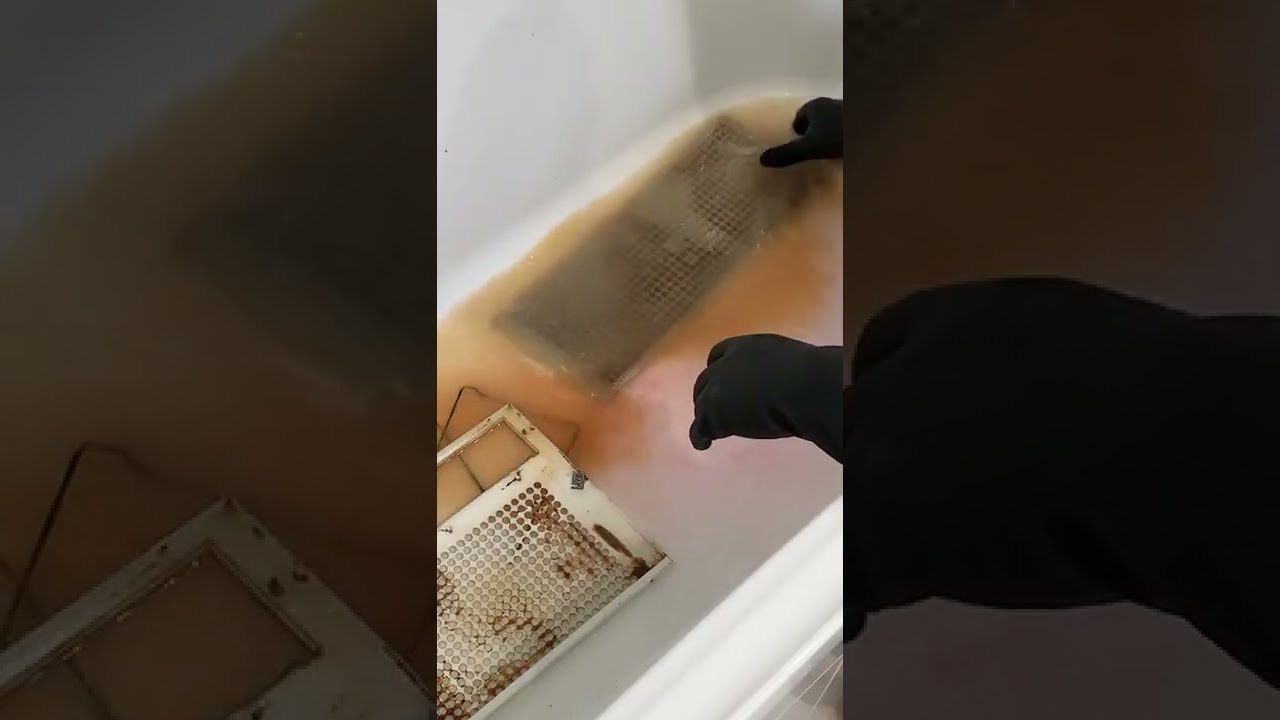
The most obvious culprit is the buildup of polymerized grease. This isn't just a sticky mess; it's a flammable sludge that coats every surface, from the filter mesh to the outer casing. If you can see grease forming thick, dark sheets, it’s time for a deep clean. Think of the grease as a villain in a cooking movie—it builds up slowly, and eventually, it causes chaos.
- The Filter Check: Are the filters coated in a uniform, sticky film? Even if they look intact, if they are dull and coated, they are losing their efficiency. The Interior Surface: Is the inside of the hood itself stained, dark, or tacky to the touch? This indicates that the grease has been allowed to accumulate for too long, essentially turning the hood into a greasy art installation nobody commissioned. The Burner Spillover: If you frequently notice grease drips or splatters accumulating on the bottom of the hood, it's a signal that the capture system is overwhelmed and needs a rigorous wash.
Olfactory Indicators: The Smell Test
Our sense of smell is remarkably attuned to appliance health. If your kitchen starts carrying a faint, persistent odor—especially when the rangehood is running—this is more than just the smell of last night's curry. It can be the smell of burning, oxidized grease.
A persistent, acrid scent suggests that accumulated grease is getting too hot, potentially reaching its flash point. This is a serious indicator that the hood needs cleaning immediately. "If it smells like smoke, it probably is," is a handy rule of thumb here.
Performance Issues: When the Rangehood Starts Failing You
Sometimes, the signs aren't visible or smelly; they are felt. These are the performance metrics that tell you the appliance is struggling under its own weight.
Filter Efficiency and Airflow Reduction
The function of a rangehood is to capture air and grease. If the filters are clogged, they become like a traffic jam for air. The motor has to work much harder to pull the same volume of air, leading to reduced performance.
One common mistake I witnessed was a homeowner who thought their hood was simply "weak." In reality, the motor was fine, but the filter mesh was so clogged it was restricting airflow, forcing the motor to strain. Are you noticing that steam and smoke seem to dissipate slower than they used to? This is a major clue that the filters are acting like a dam, blocking the necessary flow.
Noise Levels and Motor Strain
Listen closely the next time you cook. Is the rangehood suddenly louder, or does it sound like it's struggling to maintain a consistent hum? An increase in operational noise, especially a grinding or strained sound, can indicate that the motor is fighting against excessive resistance—often caused by grease buildup on the internal components or motor housing.
"The best preventative maintenance is catching the problem when it is a small leak, not when it is a burst pipe." This advice holds true for your rangehood. If it sounds stressed, it is working too hard.
Reduced Suction Power
If you've noticed that smoke seems to be billowing around the rangehood rather than being sucked into it, the suction power has diminished. This is a key sign that the internal pathways—including the filters and ductwork—are partially blocked by accumulated grime. It means the system is no longer able to efficiently draw out the pollutants, leaving the air quality in your home compromised.
Deep Cleaning and Professional Care
Knowing what signs indicate my rangehood needs immediate cleaning? is the first step; the next is taking action. Routine maintenance is a myth; regular, thorough cleaning is the reality.
The Difference Between Cleaning and Descaling
It is important to understand that cleaning is not just washing the filters. It involves tackling the grease trap, the motor area, and the ductwork.

- DIY Deep Clean: For moderate buildup, soaking the filters in a specialized degreaser and manually scrubbing the visible surfaces is effective. Professional Attention: If the grease buildup is decades old, or if you suspect the ductwork itself is coated (which can be dangerous if left unattended), a professional cleaning service is necessary. These experts can use specialized equipment to ensure that the entire ventilation pathway is clear.
Safety Considerations and When to Call for Help
Grease is flammable, and a buildup of it can pose a significant fire hazard. This is why addressing the issue promptly is paramount.
When in doubt, call a professional. A quote from a local appliance expert might reassure you that the problem is simple, or it might reveal a more complex issue, like a failing motor or a blocked vent line, that requires specialized tools.
Keeping the Kitchen Breeze Fresh
A clean rangehood is not just about aesthetics; it’s about the health of your kitchen, the efficiency of your appliance, and, most importantly, your peace of mind. By being vigilant and paying attention to these signs—the sticky film, the acrid smell, the strained sound, and the reduced suction—you are doing more than just cleaning; you are investing in the longevity and safety of your home.
By treating your rangehood with the respect it deserves, you ensure that your kitchen remains a vibrant, safe, and truly enjoyable space for cooking. A well-maintained appliance works quietly in the background, allowing you to focus on the joy of https://www.mixcloud.com/nogaineane/ creation, rather than the headache of appliance maintenance.